
How to Manage Installment Sales in a Retail Shop
To manage installment sales selling products on a fixed payment plan over time in a retail shop, you need to record the customer's KYC, take a down payment…
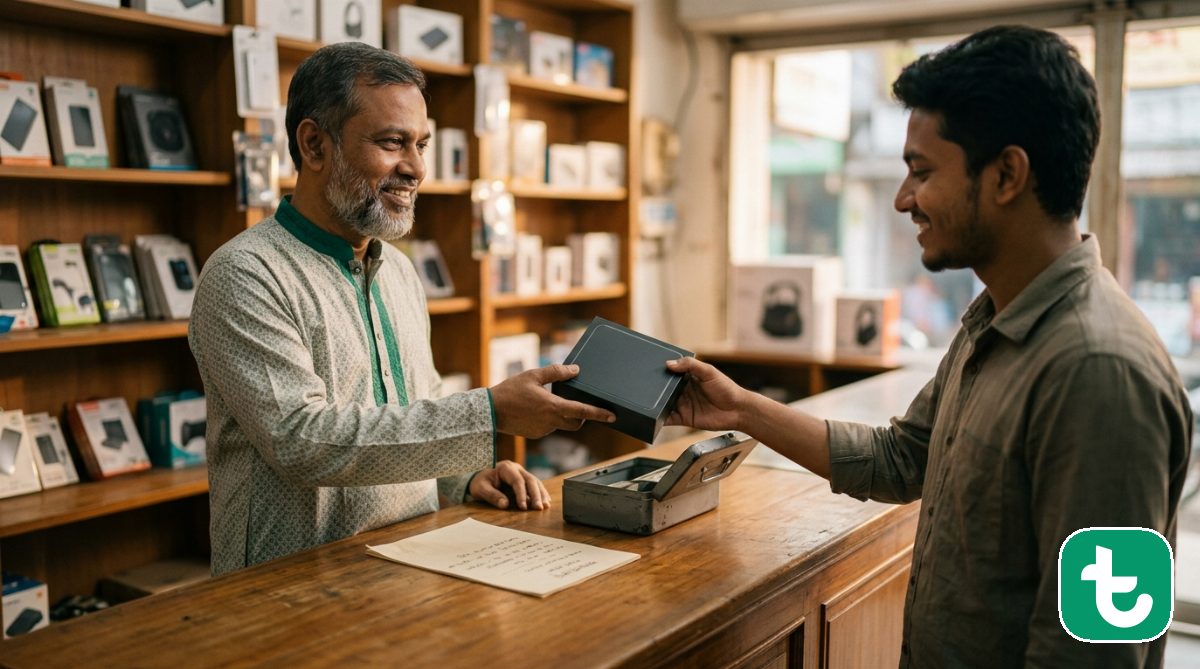
To manage installment sales (selling products on a fixed payment plan over time) in a retail shop, you need to record the customer's KYC, take a down payment, and create a separate agreement with an automatic schedule using a dedicated tool like Tukri. This keeps high-value installment transactions completely separate from your regular cash counter sales and daily due book, protecting your shop's cash flow.
Selling electronics, mobile phones, clothing, or furniture on installment is an excellent way to increase revenue in Bangladesh. However, tracking who owes what month after month on loose sheets of paper often leads to missed collections and lost profits.
Why separate installment sales from regular dues?
Shop owners commonly find that mixing installment plans with standard বাকি (selling on credit, paid later) destroys their accounting clarity. Regular dues are fluid; a customer takes groceries today, pays some money next week, and borrows again tomorrow.
An installment sale, however, is a formal agreement. It involves a fixed duration, specific due dates, and a legally binding schedule.
| Feature | Regular Due Book (বাকির খাতা) | Installment Sales (কিস্তি) |
|---|---|---|
| Transaction Type | Daily running credit for regulars | High-value single product purchases |
| Payment Schedule | Flexible, usually at month-end | Strict weekly or monthly fixed amounts |
| Setup Requirement | Simple name and phone number | Full customer KYC and down payment |
| Accounting Impact | Included in general daily receivables | Tracked via a dedicated installment report |
How do I set up an installment agreement safely?
When a customer decides to buy a big-ticket item like a television, refrigerator, or premium sharee on a payment plan, following a structured process prevents future disputes. In a busy shop, relying on verbal promises can quickly hurt your business.
- Collect Customer KYC: Before handing over the goods, note down the customer's full details. Secure their permanent address, a copy of their National ID (NID), and the contact number of a guarantor.
- Record the Down Payment: Collect the initial deposit. This reduces your immediate risk and ensures the buyer has financial skin in the game.
- Create the Schedule: Divide the remaining balance into equal parts. Specify whether the collections will happen weekly or monthly, and state the exact due date for each period.
- Issue a Clear Agreement: Print or share a copy of the schedule so the customer knows exactly when payments are expected.
Using Tukri, this entire process is digitized. When making the sale, you select the installment option, enter the down payment, and the app automatically generates the dedicated payment schedule for you.
How do I collect and track periodic installment payments?
Tracking collections month after month requires consistency. When a customer walks into your electronics or clothing store to pay their monthly installment, your staff must record it immediately to maintain an accurate history.
To handle a collection efficiently:
- Search the agreement: Locate the customer's active installment profile instantly instead of flipping through an old notebook.
- Post the collection: Record the exact amount received. If a customer pays via cash or a mobile-money account label like bKash or Nagad, assign the money to that specific account so your total cash count matches at closing time.
- Update the remaining balance: The system must immediately recalculate how many installments are left and how much principal is outstanding.
With Tukri, every collection updates a dedicated installment report. Because these transactions are isolated, your staff can accept payments at the counter without seeing your shop's total net profit or sensitive admin settings.
What happens if an installment customer returns a product?
If a customer cannot fulfill their payment plan or returns the item due to a defect, you must issue a sale return or credit note.
When processing an installment return, you can reduce or cancel the customer's remaining balance rather than refunding cash. Once the return is recorded, the item is automatically restored to your live stock inventory with its cost snapshot intact. This ensures your stock valuation and profit & loss reports remain perfectly accurate.
Knowing when to move away from a paper notebook
A traditional paper logbook is perfectly fine if you only sell to two or three close neighbors on installment. However, once you have dozens of customers paying over three, six, or twelve months, manual tracking breaks down.
Moving to a digital system like Tukri pays off when you need an automated birds-eye view of your business. Instead of manually auditing pages every night, a single glance at your dashboard tells you exactly how much installment money is outstanding across your entire shop, keeping your retail operation predictable and profitable.
Frequently asked questions
How can I safely manage installment sales in my retail shop?
You can safely manage installment sales by collecting the customer's NID and guarantor details, securing a down payment, and setting a fixed payment schedule using a dedicated tool like Tukri. This structured process protects your shop's cash flow and prevents future disputes.
Why should I keep installment sales separate from my regular due book?
Installment sales should be kept separate from your regular due book because they involve high-value products with strict weekly or monthly fixed payment schedules, unlike fluid daily credit. Mixing them destroys your accounting clarity and makes tracking missed collections difficult.
What documents do I need to collect before selling a product on installment?
Before selling a product on installment, you need to collect the customer's full details, a copy of their National ID (NID), and the contact number of a guarantor. Securing these details along with an initial down payment helps reduce your immediate financial risk.